
America’s Diplomatic Ruse and the Gulf’s Impossible Choice
Full compilation HERE.
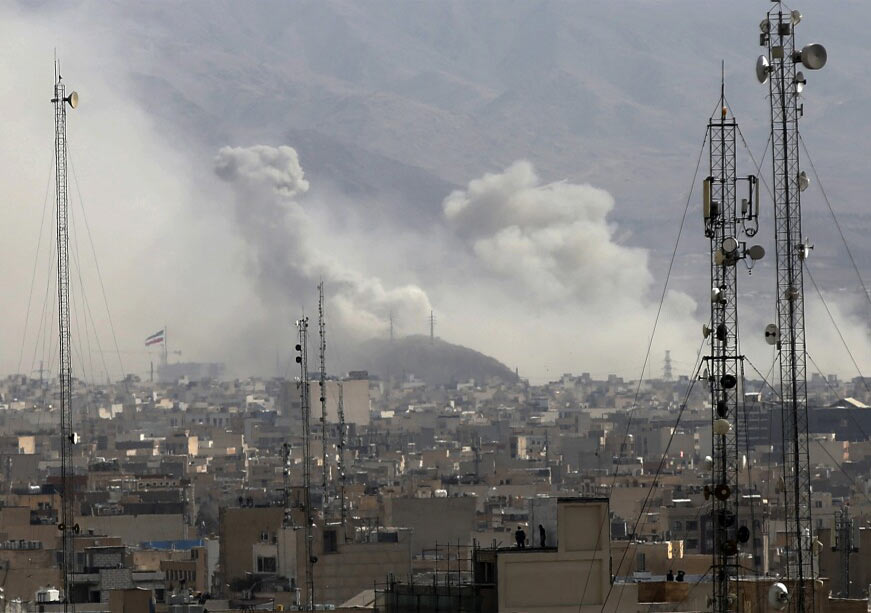
The US-Israel strikes were not unexpected. Since January, Washington had been amassing the largest military presence in the Middle East since Operation Iraqi Freedom — the question was never if Trump would give the order, but when. This was true even as diplomacy played out: as the third round of indirect nuclear talks concluded in Geneva on February 26, Trump said he was “not thrilled,” even as Omani mediators claimed “significant progress” had been made. Unusually for a country that conducts diplomacy with discretion, Omani Foreign Minister Badr bin Hamad Albusaidi publicly declared the parties had “cracked that problem,” with Tehran agreeing to zero uranium stockpiling.
Whether Albusaidi sensed imminent danger and felt compelled to speak is debatable. What is clear is that American diplomacy was a ruse — mirroring last June’s “Operation Midnight Hammer,” when Washington struck Iranian nuclear sites after five rounds of negotiations, claimed to have “obliterated” Iran’s nuclear programme, and yet continued issuing threats.
The fundamental impasse was always unbridgeable: Iran could agree to halt weaponisation and reduce its enriched uranium stockpile, but it would never surrender its ballistic missile programme or dismantle its proxy network — precisely what Washington demanded it do. Strikes were the inevitable result.
Iranian retaliation has extended beyond US bases to civilian infrastructure, with Riyadh, Bahrain’s Era Tower, and Dubai’s International Airport now in the crosshairs. With Trump calling for regime change — and Supreme Leader Ayatollah Ali Khamenei now confirmed killed — Tehran perceives this as a war of survival. This puts Gulf Arab states, which have spent years cultivating a détente with Iran, in an impossible position: pressure Washington to de-escalate, or condemn Iranian strikes and take the further step of formally aligning with the US-Israel campaign. Statements from regional capitals speak for themselves: the dismay of states with no good choices, caught between an aggressive Washington and a cornered, retaliating Tehran.
 Dr. Clemens Chay